Maximizing Returns: Commercial Property Insights
- Dallas Burt
- May 21
- 4 min read

Investing in commercial property can be a lucrative venture, but it requires a keen understanding of the market, strategic planning, and a willingness to adapt to changing conditions. As the landscape of commercial real estate evolves, investors must stay informed about trends, challenges, and opportunities. This blog post will delve into essential insights that can help maximize returns on commercial property investments.
Understanding the Commercial Property Market
What is Commercial Property?
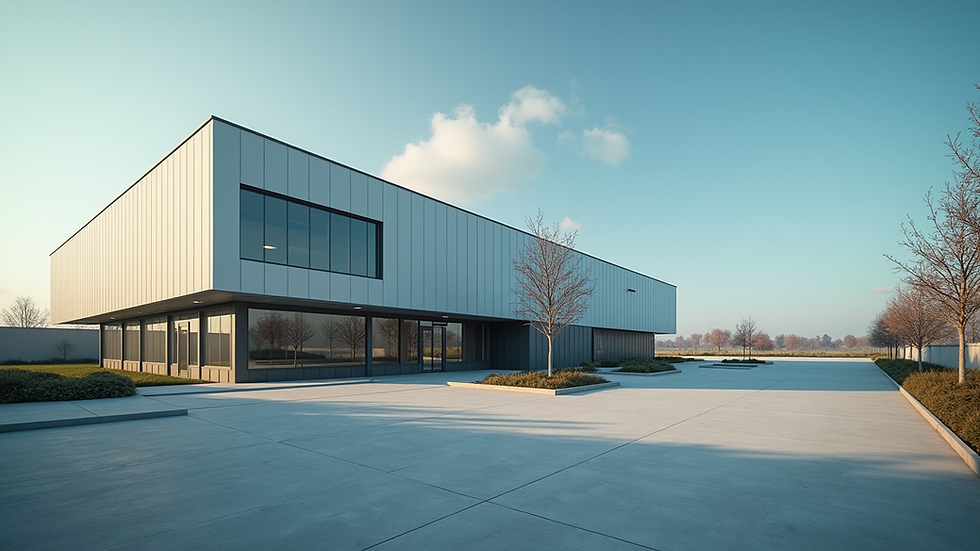
Commercial property refers to real estate used for business purposes. This includes office buildings, retail spaces, warehouses, and industrial properties. Unlike residential properties, which are primarily for living, commercial properties generate income through leasing or renting to businesses.
Types of Commercial Properties
Office Buildings
These properties are designed for professional use and can range from single-tenant buildings to large skyscrapers. The demand for office space often fluctuates based on economic conditions and remote work trends.
Retail Spaces
Retail properties include shopping centers, malls, and standalone stores. The success of retail spaces is closely tied to consumer behavior and economic health.
Industrial Properties
These include warehouses, manufacturing facilities, and distribution centers. The rise of e-commerce has significantly increased the demand for industrial spaces.
Multifamily Properties
While primarily residential, multifamily properties can also be considered commercial if they contain five or more units. They offer steady cash flow and are often seen as a safer investment.
Current Market Trends
The commercial property market is influenced by various factors, including economic conditions, interest rates, and technological advancements. Here are some current trends:
Remote Work Impact: The shift to remote work has altered the demand for office spaces, leading to increased vacancies in some markets.
E-commerce Growth: The rise of online shopping has boosted demand for industrial properties, particularly warehouses and distribution centers.
Sustainability Focus: Investors are increasingly looking for properties that meet sustainability standards, as eco-friendly buildings often attract higher rents and lower vacancy rates.
Key Strategies for Maximizing Returns
Conduct Thorough Market Research
Before investing in commercial property, conduct comprehensive market research. This includes analyzing local economic conditions, understanding tenant demand, and identifying potential growth areas. Utilize resources like:
Market Reports: Access reports from real estate firms that provide insights into market trends and forecasts.
Local Economic Data: Review local employment rates, population growth, and infrastructure developments.
Choose the Right Location
Location is a critical factor in commercial real estate. Properties in prime locations tend to attract higher-quality tenants and command better rental rates. Consider the following when evaluating locations:
Accessibility: Ensure the property is easily accessible by public transportation and major roadways.
Demographics: Analyze the local population to determine if it aligns with your target tenant base.
Future Developments: Investigate upcoming infrastructure projects that could enhance the area's appeal.
Diversify Your Portfolio
Diversification can mitigate risks associated with market fluctuations. Consider investing in different types of commercial properties or in various geographic locations. This strategy can help balance your portfolio and provide more stable returns.
Focus on Property Management
Effective property management is essential for maximizing returns. A well-managed property can lead to higher tenant satisfaction, lower vacancy rates, and increased rental income. Key management practices include:
Regular Maintenance: Keep the property in good condition to attract and retain tenants.
Tenant Relations: Foster positive relationships with tenants to encourage lease renewals and reduce turnover.
Market Adjustments: Stay informed about market rates and adjust rents accordingly to remain competitive.
Leverage Technology
Technology plays a crucial role in modern property management and investment strategies. Utilize tools and platforms that can enhance your operations, such as:
Property Management Software: Streamline operations, track expenses, and manage tenant communications.
Data Analytics: Use data analytics to make informed investment decisions and identify market trends.
Financial Considerations
Understanding Financing Options
When investing in commercial property, understanding your financing options is crucial. Common financing methods include:
Traditional Mortgages: These loans are typically offered by banks and require a down payment and good credit.
Commercial Real Estate Loans: These loans are specifically designed for purchasing commercial properties and may have different terms than residential mortgages.
Partnerships: Consider partnering with other investors to pool resources and share risks.
Calculating Return on Investment (ROI)
Calculating ROI is essential for assessing the profitability of your investment. The formula for ROI in real estate is:
\[ \text{ROI} = \frac{\text{Net Profit}}{\text{Total Investment}} \times 100 \]
Where:
Net Profit is the income generated from the property after expenses.
Total Investment includes the purchase price, closing costs, and any renovations.
Tax Implications
Investing in commercial property comes with various tax implications. Familiarize yourself with:
Depreciation: Commercial properties can be depreciated over time, providing tax benefits.
1031 Exchange: This allows investors to defer capital gains taxes by reinvesting in a similar property.
Navigating Challenges in Commercial Real Estate
Economic Downturns
Economic downturns can significantly impact commercial property investments. During such times, vacancy rates may rise, and rental income may decline. To navigate these challenges:
Build a Financial Cushion: Maintain reserves to cover expenses during downturns.
Flexible Lease Terms: Offer flexible lease terms to attract tenants during challenging economic times.
Regulatory Changes
Stay informed about local regulations and zoning laws that may affect your property. Changes in regulations can impact property values and rental income. Engage with local real estate associations to stay updated on potential changes.
Competition
The commercial property market can be highly competitive. To stand out:
Enhance Property Appeal: Invest in renovations or upgrades that make your property more attractive to potential tenants.
Effective Marketing: Utilize online platforms and local advertising to reach a broader audience.
Conclusion
Investing in commercial property can yield significant returns if approached strategically. By understanding the market, choosing the right location, and implementing effective management practices, investors can maximize their returns. Stay informed about trends, adapt to changes, and leverage technology to enhance your investment strategy.
As you embark on your commercial property journey, remember that knowledge and preparation are your best allies. Start by conducting thorough research, and consider seeking advice from industry professionals to navigate the complexities of commercial real estate successfully.

Comments